

awwwards
A GOOD PLACE TO START
Collect ideas for tomorrow. Explore tools for the week. Start fresh, all in one place.
113 finds. 9 distinct perspectives.Fresh morning edits when there’s news · weekly digest otherwise
23 PICKED
awwwards
awwwards

awwwards
awwwards
dark design
dark design
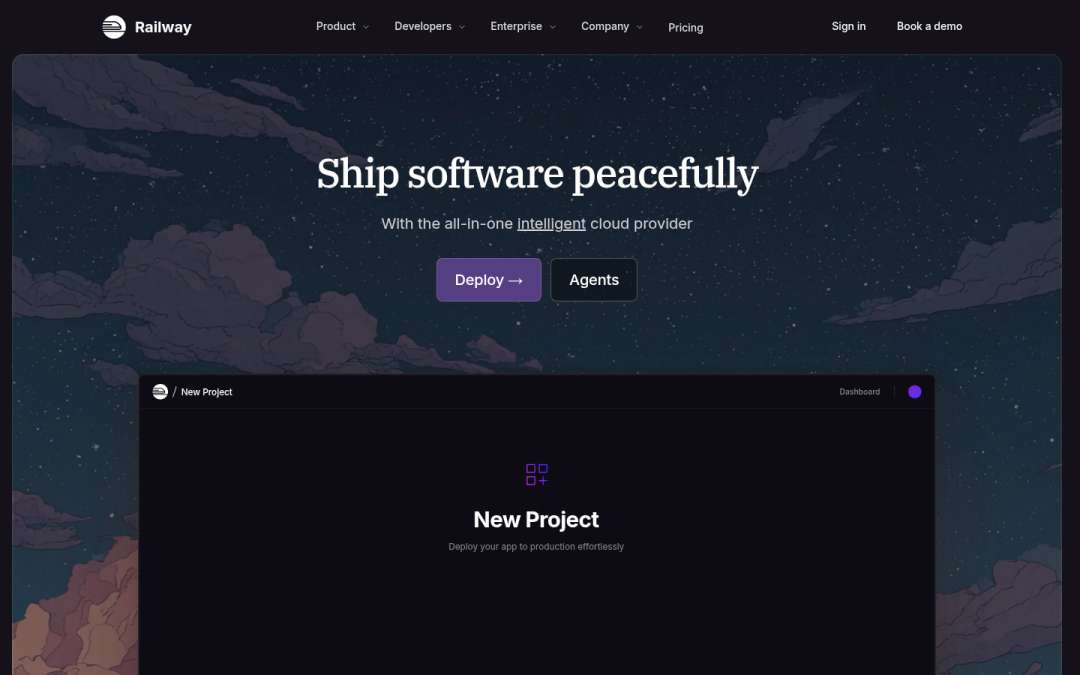
dark design
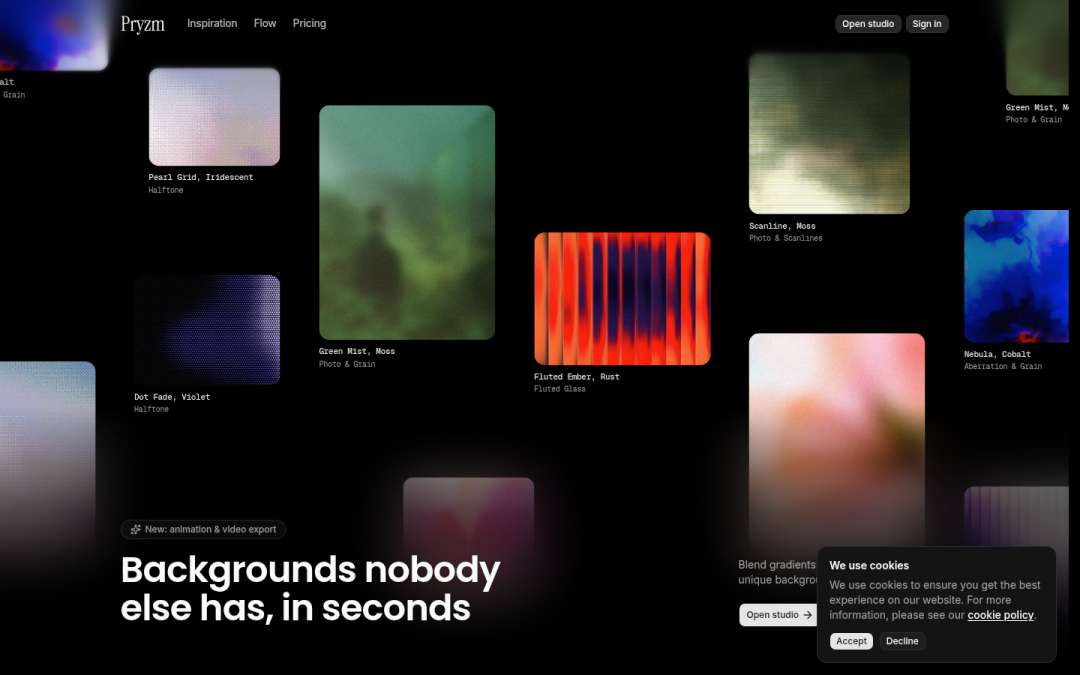
dark design

dribbble

dribbble

dribbble
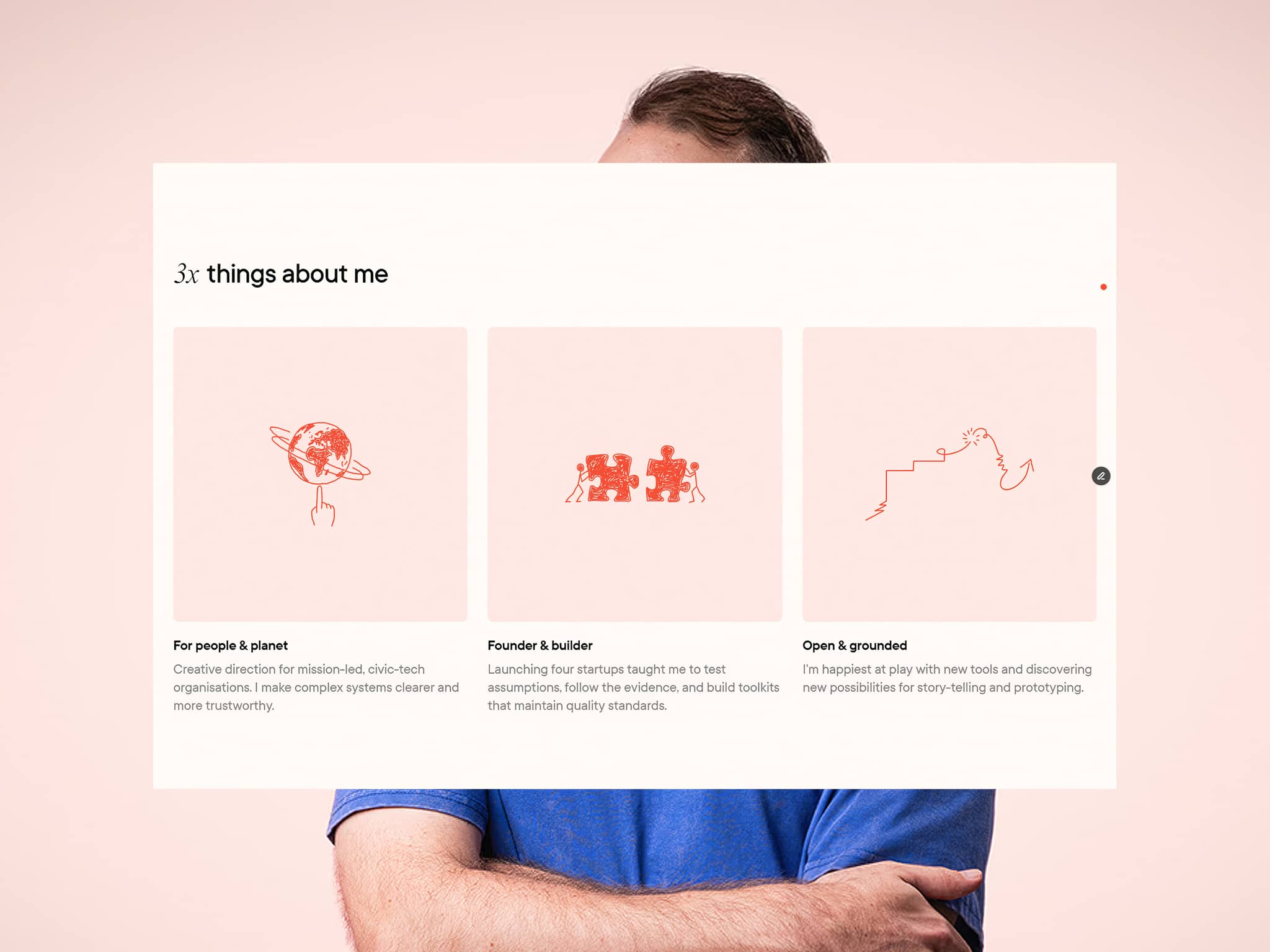
framer
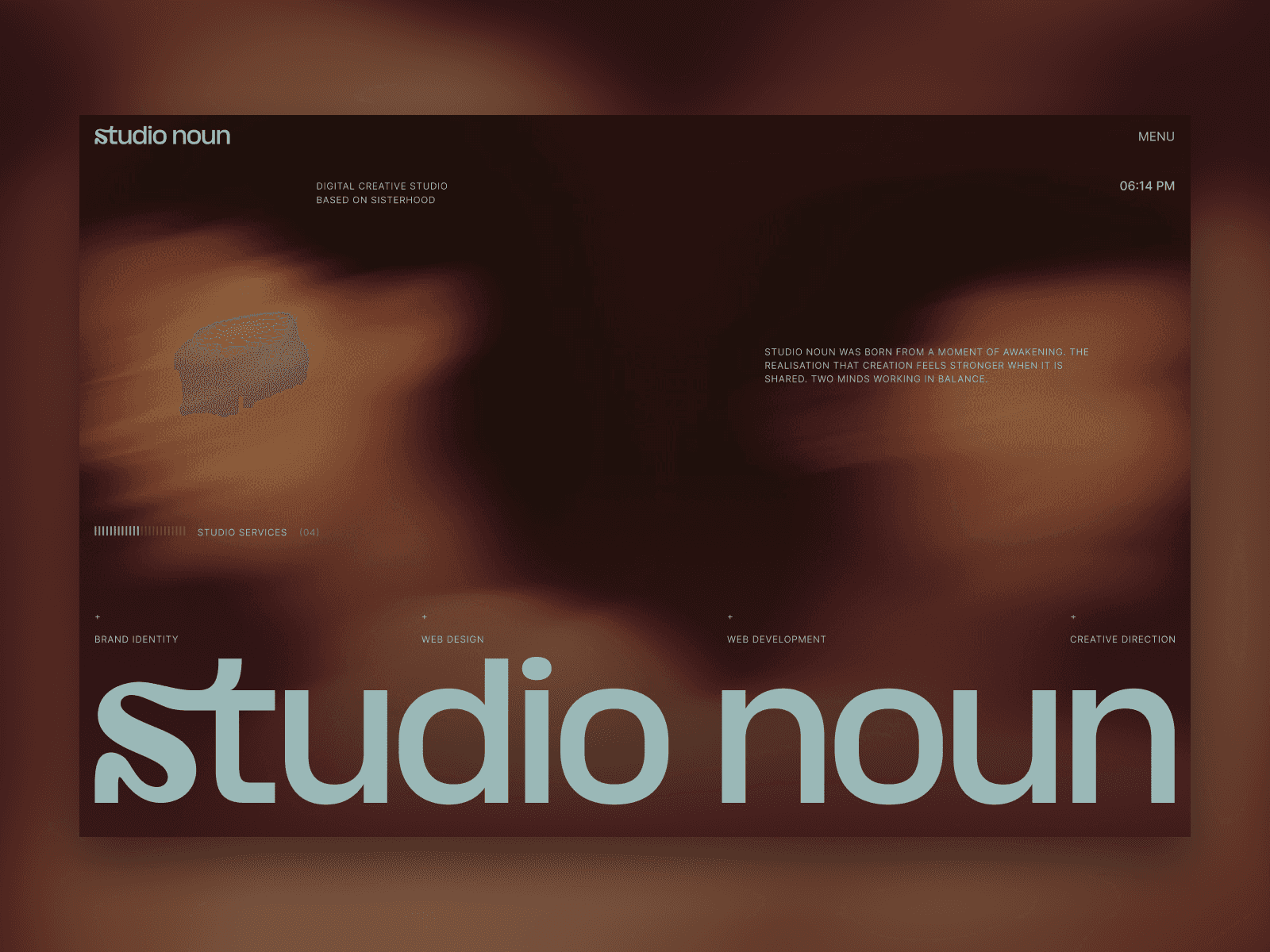
framer

framer

framer

behance

siteinspire

dribbble

behance
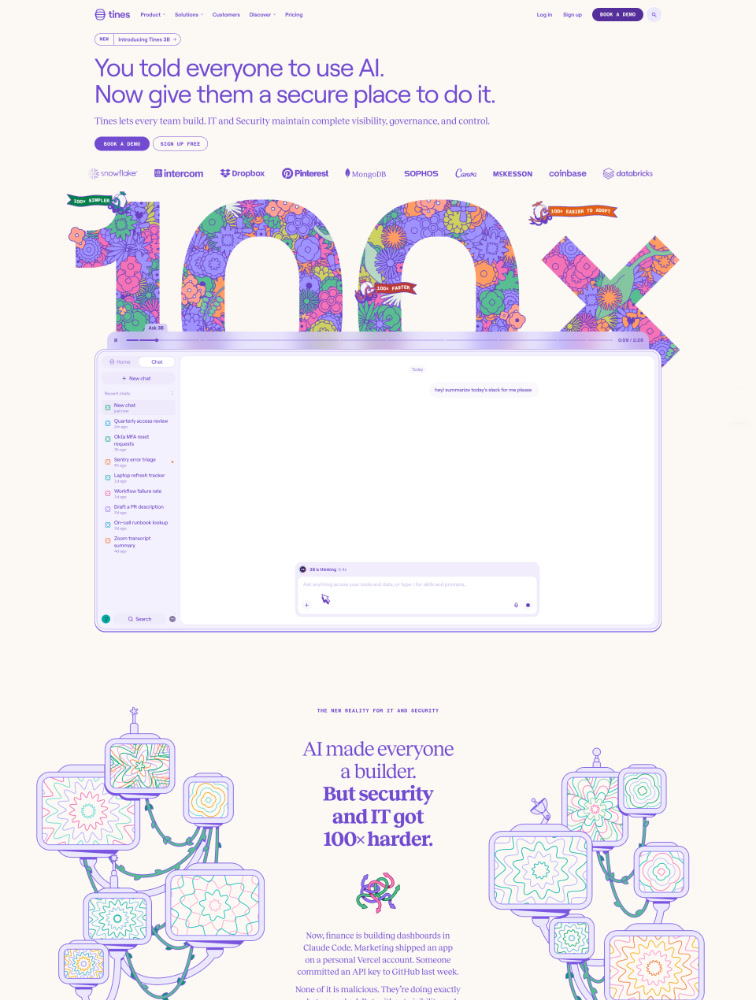
lapa ninja

lapa ninja
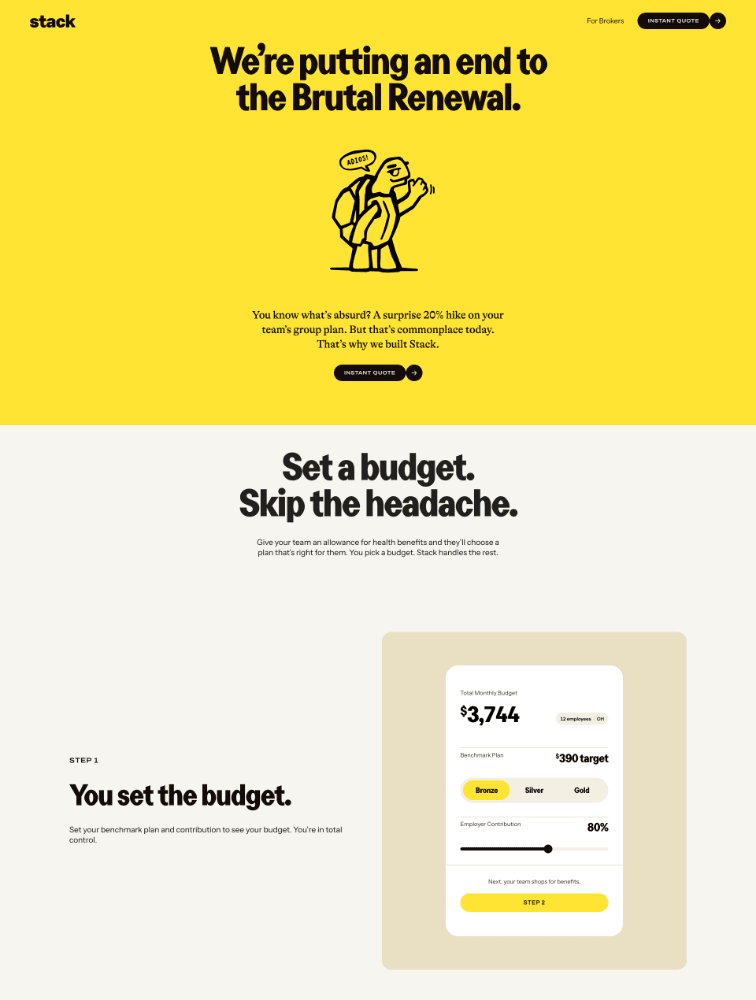
lapa ninja
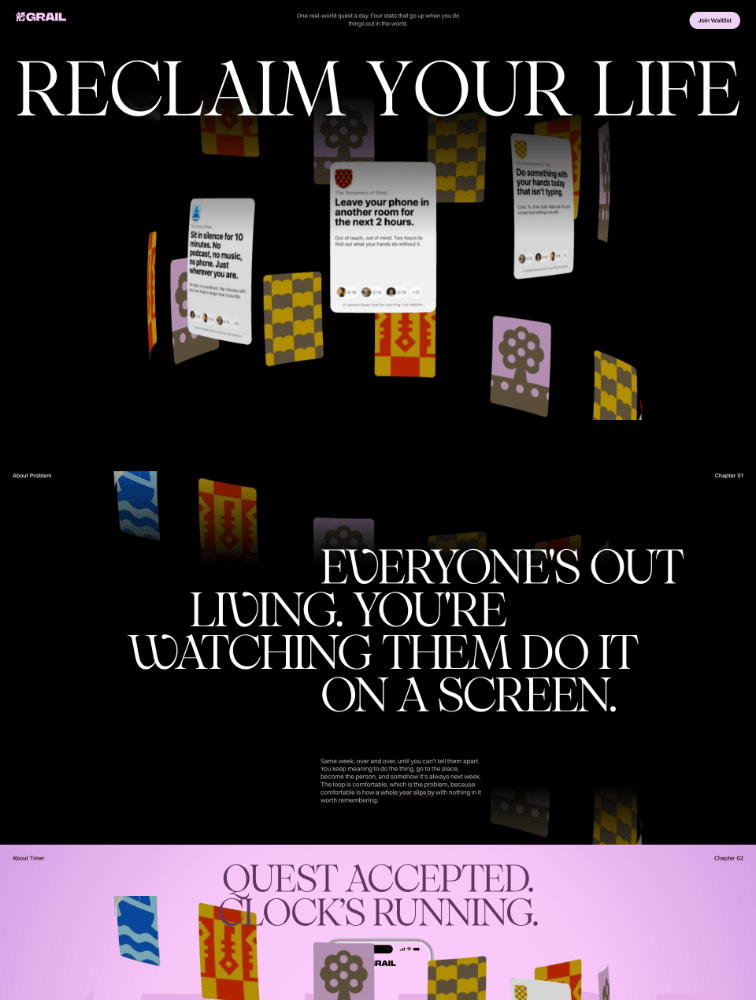
lapa ninja
37 TOOLS
Syncs Figma designs and code bidirectionally via the Model Context Protocol. Enables AI agents in Cursor or Claude Code to read canvas data and push updates back to Figma.
Exposes Language Server Protocol capabilities as MCP tools for AI agents. Written in Rust, it allows LLMs to perform precise code navigation and intelligence tasks across any LSP-supported language.
Accelerates headless browser automation for AI agents and scraping. Written in C++, it offers significantly lower memory overhead than Chromium-based alternatives.
Build AI coworkers with dedicated browser and file system access using TypeScript. It allows developers to integrate autonomous agents that execute and record complex workflows.
Extends Claude Code with a comprehensive library of agents and skills using TypeScript and FastAPI. It provides pre-built orchestration patterns for developers building complex AI workflows.
Manage multiple Claude Code and Codex sessions side-by-side in a native SwiftUI macOS terminal. It streamlines AI agent workflows with integrated git worktree support and live session status.
Automates security operations triage and MITRE ATT&CK investigations using LLM agents. Includes an MCP server for integration with Claude, Cursor, and Continue.
Validates UI design rules for interfaces generated by AI agents across Web, SwiftUI, and Jetpack Compose. Helps developers maintain visual consistency when using LLM-driven code generation.
Implements a high-performance graph database using GraphBLAS to optimize Knowledge Graphs for GraphRAG. Useful for developers building LLM applications that require complex relational data retrieval.
Orchestrate multiple AI agents via a desktop app or CLI using your own API keys. Built with Go and Electron for developers needing a scriptable, local coding assistant.
Orchestrate and host multiple AI agents in a shared team pod. This open-source framework helps developers manage Claude Code and other hosted agents in a unified environment.
Connects AI agents to EasyEDA Pro via the Model Context Protocol using TypeScript. It enables hardware engineers to automate PCB design operations, DRC checks, and BOM sourcing through LLMs.
Automates email management using Next.js and OpenAI. Provides a reference implementation for developers building AI-driven productivity tools with a modern TypeScript stack.
Implements a multi-model review gate for AI coding agents using C# and MCP. It allows developers to validate AI-generated plans and diffs via a VS Code extension before applying changes.
Manage multiple AI coding agents via a Go-based tmux TUI. It provides live status tracking and diff reviews for developers using tools like Claude Code and MCP servers.
Collect visual feedback by letting users pin comments to specific page elements. Built with TypeScript and Shadow DOM to ensure framework-agnostic isolation.
Generates floor plans from a custom DSL using TypeScript. It compiles source code into SVG, DXF, or PDF with built-in geometric validation for architects and developers.
Automates the removal of merged Git branches via a Python CLI. Helps developers maintain clean local and remote repositories without manual cleanup.
Builds custom Fedora Atomic images from a YAML recipe using Rust. Useful for developers managing immutable infrastructure and OCI-based system images.
Provides deep type intelligence and Laravel support for PHP via a language server. Useful for developers seeking a faster, lightweight alternative to heavy IDEs in Neovim or VS Code.
Detects visual regressions by comparing website screenshots via the command line or a web service. Useful for frontend developers automating design acceptance tests in CI/CD pipelines.
Connects Figma files to shell agents like Claude Code via a TypeScript plugin and WebSocket. Enables developers to programmatically edit designs and manage tokens using AI agents.
Extracts Figma design tokens and transforms them into code using Style Dictionary. Helps design system engineers automate the handoff between Figma and CSS/SCSS.
Generates production-ready web, Figma, and SwiftUI code from plain text descriptions using a TypeScript-based CLI. It helps developers bridge the gap between AI prompts and deterministic design systems.
Generates consistent design systems and tokens for AI coding assistants like Cursor and Claude. Helps developers maintain visual cohesion across AI-generated UI components.
Build a self-hosted graphic design editor using Next.js, TypeScript, and Konva. Useful for developers needing to integrate a drag-and-drop canvas editor into their own applications.
View emerging image formats including AVIF, HEIC, and JPEG-XL in a minimalist interface. Useful for designers needing a lightweight way to preview modern compression standards.
Create accessible, framework-agnostic UI primitives using finite state machines. Ideal for developers building complex design systems across React, Vue, Svelte, and Solid.
Provides a unified Python API for 2D drawing across PyCairo, PyMuPDF, and PyQt. Useful for developers building cross-platform visualizations or PDF generation tools.
Build AI chat interfaces with a React and TypeScript library that integrates with Vercel AI SDK. It provides headless components for developers needing customizable, production-ready copilot UIs.
Provides a headless TypeScript data table with native adapters for React, Angular, and Vue. It simplifies complex grid implementations like pivot tables and mobile cards across multiple UI kits.
Provides a shadcn-inspired component system for Preact using Tailwind CSS v4. Useful for developers building lightweight apps who want a copy-paste UI workflow without the React overhead.
Provides a zero-dependency set of semantic HTML and CSS components for building lightweight interfaces. Ideal for developers prioritizing performance and minimal bundle sizes over complex state management.
Provides hand-drawn, pencil-style UI components for React and TypeScript projects. Useful for designers and developers building low-fidelity prototypes or whimsical interfaces.
Implements Material Design 3 specifications for Vue 3 using Tailwind CSS. Useful for developers needing a standardized M3 design system without building components from scratch.
Implements a minimalist typographic design system using Tailwind CSS. It provides a structured approach to whitespace and hierarchy for developers building content-heavy sites or blogs.
Generates procedural Delft-blue floral margins for LuaLaTeX using Lua. Useful for designers and developers creating high-end digital publications or generative print layouts.
9 PICKED
The foundational set of ten general principles for interaction design. Designers can use these heuristics as a checklist to identify and fix common usability friction points.
An analysis of how AI agents shift the design focus from direct user interaction to broader experience design. Designers will learn to architect systems where agents act as intermediaries for human goals.
An analysis of the shifting role of UX in AI-driven development cycles. It argues for a transition from interface design to strategic discovery and evaluation to prevent AI-generated feature bloat.
A data-driven analysis of AI's impact on UX workflows. Designers will learn where AI provides actual efficiency gains versus where it introduces friction and unreliable output.
A comparative study on AI-generated personas versus human survey data. Designers will learn the risks of reduced variance and the limitations of using synthetic users for UX research.
A definitive taxonomy of UX roles and disciplines. Designers can use this to standardize terminology and clarify the boundaries between interaction, service, and visual design.
A guide on using CSS Grid to build tables that bypass the rigid constraints of native HTML table elements. Designers and devs can learn how to create more flexible, responsive data layouts.
A technical roundup covering CSS refraction effects and scroll state queries. Developers can learn how to implement advanced visual distortions and state-aware layouts using emerging CSS specs.
A collection of foundational UX principles and human-interface guidelines focusing on accessibility and usability standards. Designers can study these to understand the psychological constraints of user interaction.
3 LAUNCHES

Integrates voice AI capabilities into applications via a developer platform. Useful for engineers building conversational interfaces that require low-latency speech processing.

Simulates user feedback and reactions directly within the design workflow. Helps UX designers validate interface changes before deployment.

Converts natural speech into actionable tasks for AI agents to execute. Useful for developers building voice-first automation workflows.
TOP 10
TOP 10
5 PICKED
GPT-6.1 Terra It's always interesting to note which aspects of a new model are emphasized in the release announcement. In the case of GPT-6.1 Terra, OpenAI went with visual reasoning and computer use: We’re introducing GPT-6.1 Terra , a fast, efficient model that combines detailed visual reasoning and precise computer use alongside clearer, more natural writing. A significant step up from GPT‑5.6 Terra, it excels at the communication and computer-based tasks that fill the workday, from drafting proposals and interpreting technical drawings to filling out forms and editing videos. Terra sits in the same position as Sonnet in the Anthropic model collection - not the cheapest or the most expensive, making it harder to decide when to use it. Computer use is a good example of a task that benefits from a less expensive model, since you might put it to work on automated, repetitive tasks. OpenAI's Ted Sanders provided some useful advice in a comment on Hacker News: In the case of GPT-6.1 Terra, I'd say Terra is probably better than Astra and Sol at technical communication, similar on vision and computer use (but much faster!), and a bit worse on most other things. For API developers, it's a nice midrange option if you want something cheaper than Sol but a lot smarter than Luna (especially for vision / computer use / communication). For subscribers, it's not a bombshell release - if you're hitting usage limits, maybe it helps you go a bit further, and if you want clearer communication or faster computer use, it can be a nice option to select. Here are the pelicans for the different reasoning levels. This pelican for "max" cost 11.3161 cents and took 4 minutes and 11 seconds: Here's a new comparison grid showing pelicans for every reasoning level of OpenAI's current frontier lineup: GPT-6 Astra, GPT-6.1 Sol, GPT-6.1 Terra, and GPT-6 Luna. GPT-6.1 Terra is priced at $1/million input tokens and $5/million output - almost half the price of GPT-5.6 Terra and GPT-6.1 Sol, and around 10x the price of GPT-6 Luna. Via Hacker News Tags: ai , openai , generative-ai , llms , llm-pricing , pelican-riding-a-bicycle , llm-release , gpt , ted-sanders
Introducing Kimi K3.1 Pro Kimi K3.1 Pro landed on the Kimi API today - it's not yet open weights, but Moonshot promise "Full model weights will be released by Nov 4, 2026". They're also offering a "Highspeed" version that's 2-3x faster, at twice the price (except for input token cache hits, which are priced the same). The US dollar pricing is $2.00/million tokens for input and $10/million for output - the same as GPT-6.1 Sol and half the price of Claude Opus 5.5. Moonshot's own benchmarks show Kimi as approximately level with Opus 5.5 and GPT-6 Astra - beating them on a few benchmarks, coming close on others. Artificial Analysis scored Kimi at 55 - ahead of Claude Fable 5.1, GPT-6 Astra, and Gemini 4 Argon (all at 53) and behind only Claude Opus 5.5 (58). This is the first time a (soon-to-be) open weight model has scored this highly against the frontier. I tried it out via the Moonshot API using the llm openai endpoint command I added to LLM 0.32 back in August: llm openai endpoint \ https://api.moonshot.ai/v1 \ --key kimi \ -m kimi-k3.1-pro \ "Generate an SVG of a pelican riding a bicycle" \ --responses \ -o reasoning_effort low \ > kimi-k3.1-pro-pelican-low.stdout.txt \ 2> kimi-k3.1-pro-pelican-low.stderr.txt llm openai endpoint can run prompts against any OpenAI-compatible endpoint but doesn't log the results, hence the extra options to save stdout and stderr (the reasoning trace). Here are the pelicans I got for Kimi K3.1 Pro on the three reasoning levels it supports - low, medium, and max. This is max: For comparison, I ran fresh pelicans against Kimi K3 on those three reasoning levels. Via Hacker News Tags: ai , generative-ai , llms , llm , llm-pricing , pelican-riding-a-bicycle , llm-release , ai-in-china , moonshot , kimi
To help developers rapidly build world models, which help physical AI systems understand and simulate the real world, NVIDIA has expanded the Cosmos platform with new training tools, simulation checkpoints and Cosmos Data Factory blueprints. Ranking top five on six different open models leaderboards, the NVIDIA Cosmos platform gives world model builders the frontier open […]
Test APIs and inspect webhooks via a keyboard-driven terminal interface. Built in Go, it offers a lightweight alternative to Postman for developers who prefer staying in the CLI.
Renders 3D graphics using a lightweight WebGL 2 library. Useful for developers seeking a minimal alternative to heavy 3D engines for simple web visualizations.
ChatGPT helps you get answers, find inspiration, and be more productive.
Powerful open-weight LLMs and chat interface with strong reasoning, coding, and search capabilities. Provides free web chat and affordable API access.
Meet Gemini, Google’s AI assistant. Get help with writing, planning, brainstorming, and more. Experience the power of generative AI.
Open-source AI coding agent with Plan/Act modes, MCP integration, and terminal-first workflows. Trusted by 8M+ developers worldwide.
Anthropic’s large language model family known for long context, strong reasoning, low hallucination rates, and safety focus. Available via web, API, and integrations for analysis, writing, and coding.
Create stunning original music for free in seconds using our AI generator. Make your own masterpieces, share with friends, and discover music from artists worldwide.
Grammarly makes AI writing convenient. Work smarter with personalized AI guidance and text generation on any app or website.
Chat with millions of AI Characters on the #1 AI chat app. Where will your next adventure take you?
Beautiful UI components and templates to make your landing page look stunning.
A collection of 280 handpicked colors across 14 curated palettes, ready to copy as hex values. Clean, consistent, and great for flat UI work.
A long-running collection of UI design shots organized by component type — buttons, cards, forms, dashboards. Useful for quick reference when designing specific patterns.
Generates landing page designs from text prompts in seconds. Outputs production HTML or exports directly to Figma — a quick starting point before committing to a design direction.
A handpicked library of website hero sections — useful for layout ideas, copy structure, and visual hierarchy decisions before designing your own.
A focused collection of bento-style grid layouts from across the web. Useful for landing page sections, portfolio layouts, and feature showcase patterns.
A focused gallery of the best call-to-action designs from across the web. Useful for copywriters and UI designers looking for conversion-oriented pattern references.
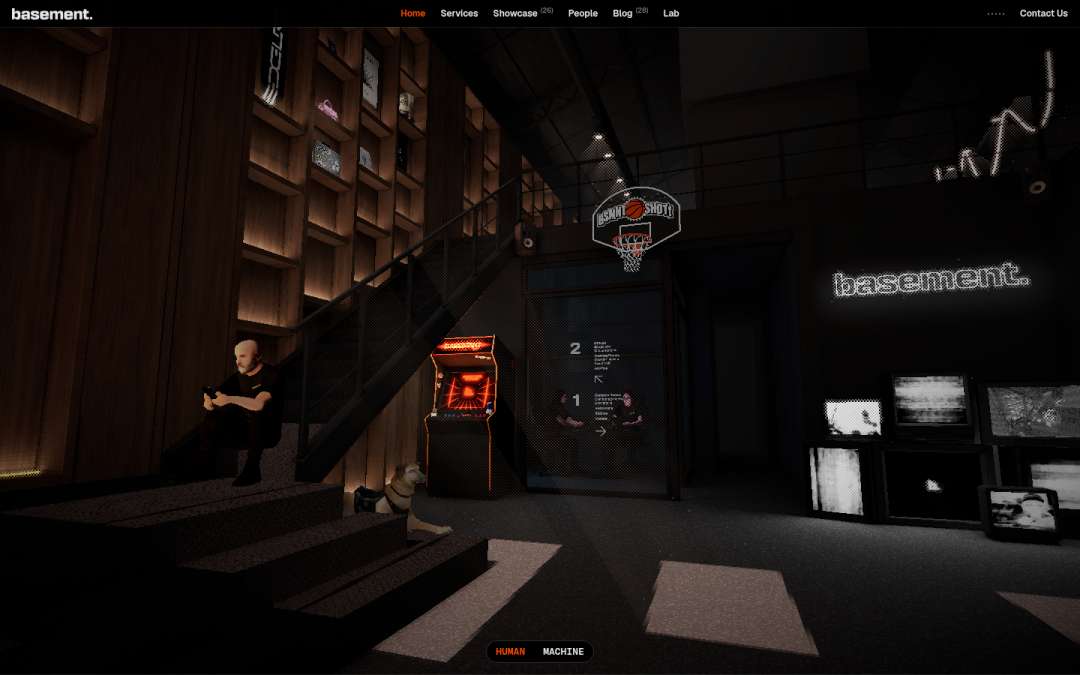
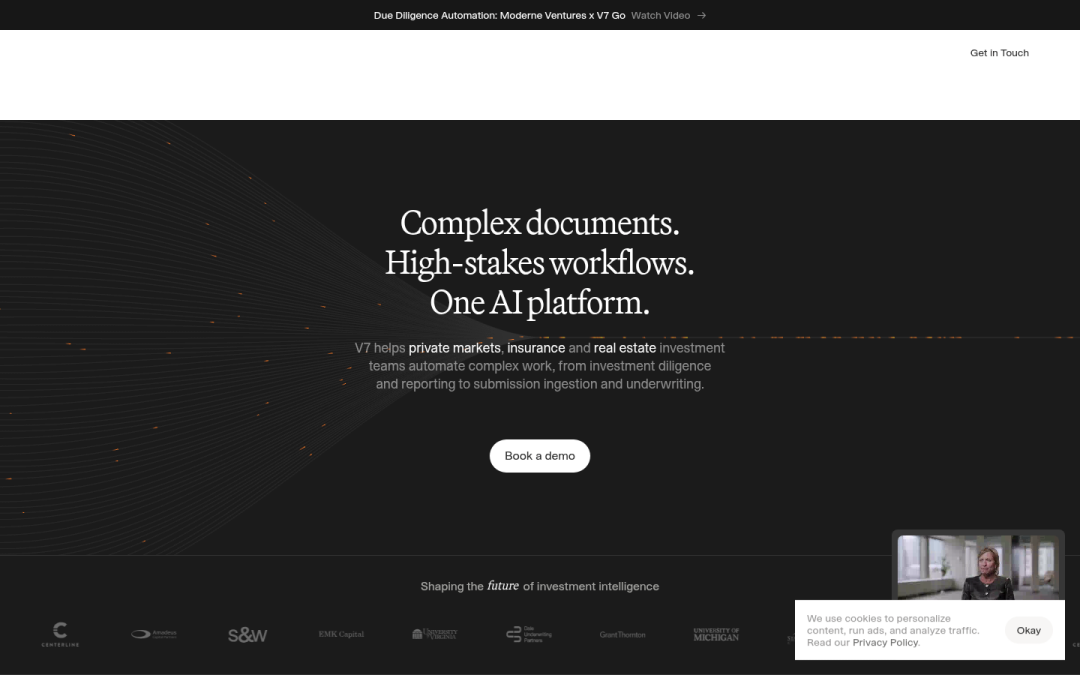
The best hand-picked dark themed websites on the internet. From designers for designers. Curated with love.
End note
All 113 items, across 9 categories. Now go make something good.